

Zagreus Winery – three generations of sustainability

In the fertile Upper Thracian Plain, near the town of Parvomay, the Kostadinov family began their wine journey in 1998 by planting 250 decares of the local Mavrud variety. Named after their grandfather and the winery’s inspiration, Dimitar Kostadinov returned from Austria to take over the management of Zagreus Winery and has become a symbol of quality, continuity, and sustainable development.
The winery’s first vintage was in 2004, and today its vineyards cover 1,300 decares planted with Mavrud, Syrah, Cabernet Sauvignon, Merlot, Dimyat, and Rkatsiteli. Since 2010, the vineyards have been cultivated entirely according to European standards for organic farming, and the 600 decares of Mavrud constitute the largest organic planting of the variety in Bulgaria.
The modern equipment at Zagreus Winery supports the creation of high-quality organic wines with a forward-looking approach. Caring for the land and the vines, and the use of gentle oenological practices, are the team’s top priorities—enologists Tatyana Stefanova and Dimitar Ivanov. They favor minimal human intervention and maximum terroir purity when working with organic grapes, applying spontaneous fermentations under suitable conditions, minimal filtration, and low doses of sulfites. For wines that undergo aging, they use barrels of Bulgarian oak and acacia (for white and rosé).
The modern equipment at Zagreus Winery supports the creation of high-quality organic wines with a forward-looking approach. Caring for the land and the vines, and the use of gentle oenological practices, are the team’s top priorities—enologists Tatyana Stefanova and Dimitar Ivanov. They favor minimal human intervention and maximum terroir purity when working with organic grapes, applying spontaneous fermentations under suitable conditions, minimal filtration, and low doses of sulfites. For wines that undergo aging, they use barrels of Bulgarian oak and acacia (for white and rosé).
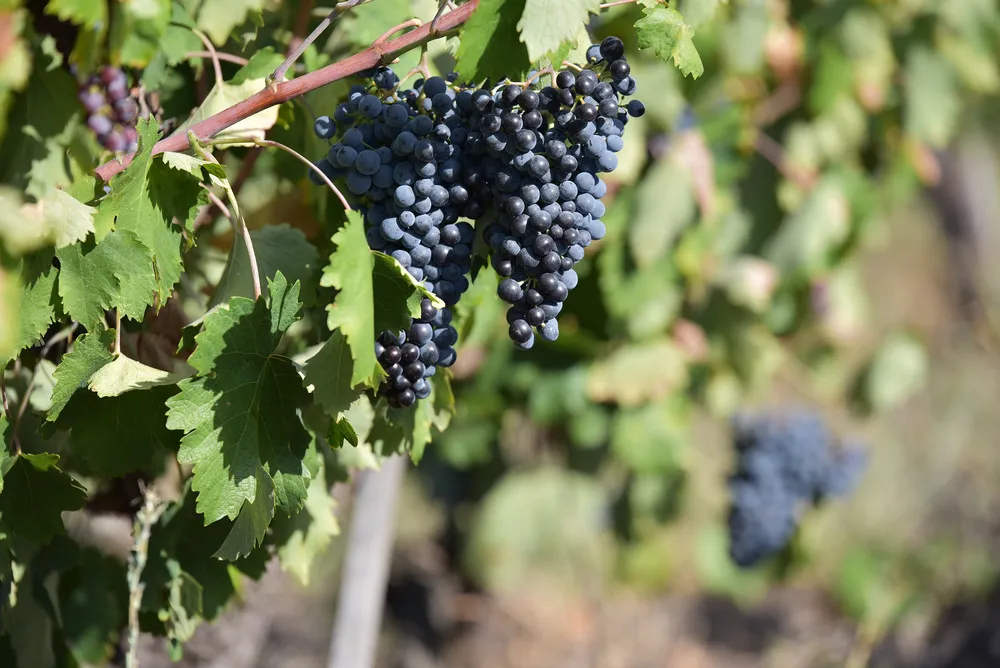
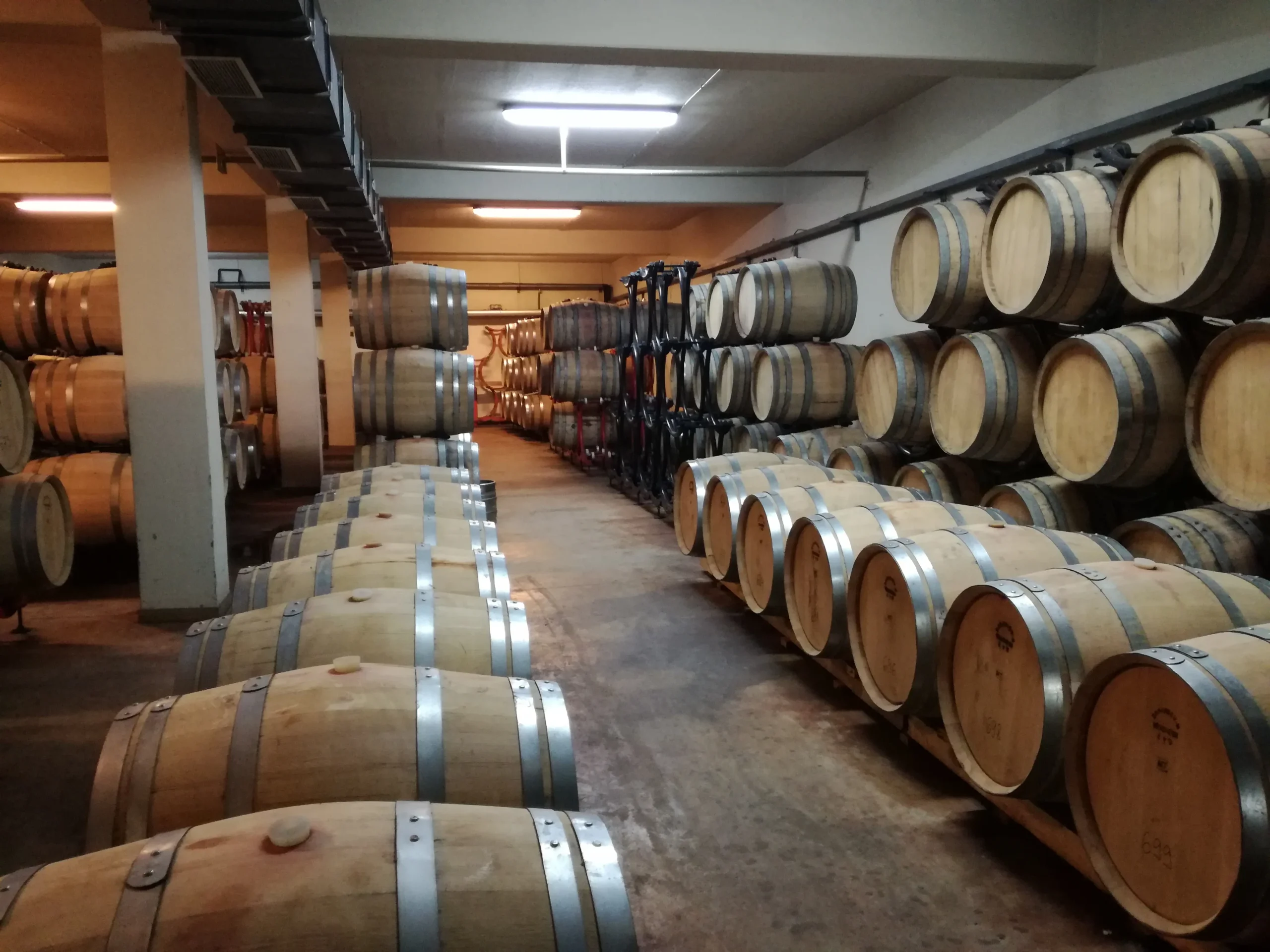
The winery’s emblematic wine—Vinica—is a red Mavrud crafted using a technique reminiscent of appassimento: the grapes are dried for about 60 days, then aged for up to 18 months in oak barrels and about another year in bottle. The result is a deep, complex wine with style and a cellaring potential of up to 15 years, ranking among the most acclaimed Mavruds in Bulgaria.
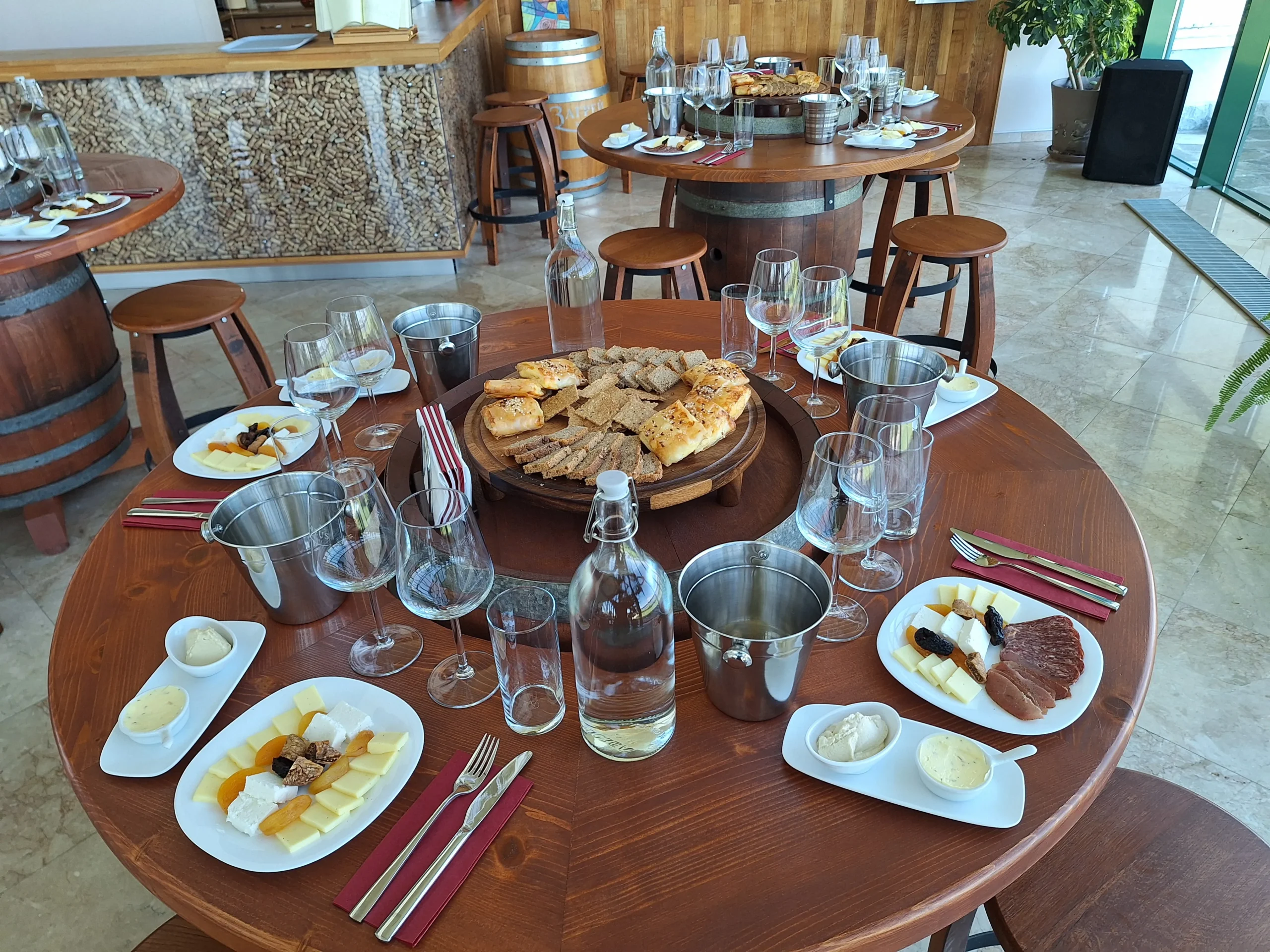
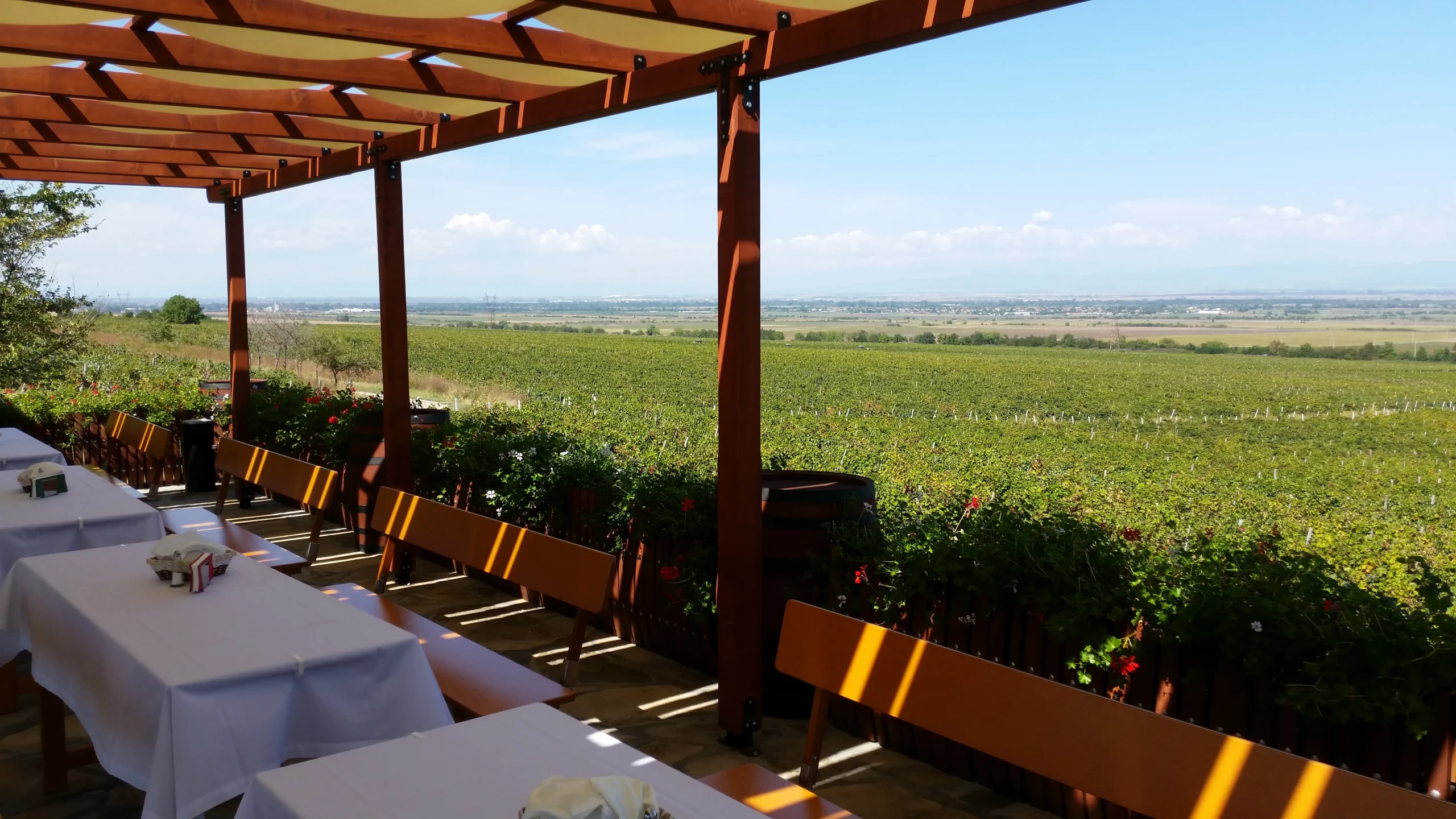
Visitors to the winery can enjoy tastings in the cozy hall or at the gazebo among the vines, sample homemade charcuterie and bread made from their own organic einkorn, and take part in team-building adventures during harvest or in culinary workshops.
Visitors to the winery can enjoy tastings in the cozy hall or at the gazebo among the vines, sample homemade charcuterie and bread made from their own organic einkorn, and take part in team-building adventures during harvest or in culinary workshops.
On the winery’s grounds stands the chapel of St. Dimitar—a symbol of their deep ties to family and the local community. Dimitrovden (October 26) is their most important celebration, when they honor the saint, give thanks for the harvest, symbolically welcome winter, and, more recently, mark it as the International Day of Mavrud.